
Alabamans can combat spam calls through a multi-layered approach:
1. Register on the FTC Do Not Call List and National Do Not Call Registry.
2. Use call-blocking apps or hardware filters to block unknown numbers.
3. Report spam callers to the Alabama Attorney General's Office for investigations.
4. Educate oneself about common scams and be wary of urgent, unexpected calls.
5. Share awareness within communities to fortify defenses against emerging scams.
In today’s digital age, our phones have become a constant companion, making communication easier than ever. However, alongside the benefits come challenges, notably unwanted spam calls. Alabama residents often face a deluge of these nuisance calls, from marketing messages to fraudulent schemes. Understanding and navigating Alabama laws on telemarketing is crucial to protecting yourself from this modern-day irritant. This article serves as your comprehensive guide, equipping you with knowledge on how to stop spam calls Alabama style, empowering you to reclaim control over your communication channels. We’ll explore legal protections, blocking techniques, and best practices to ensure a calmer, less cluttered digital environment.
Understanding Alabama's Telemarketing Laws: Your Rights

Alabama’s Telemarketing laws are designed to protect residents from unwanted and deceptive marketing practices, including spam calls. Under these regulations, businesses engaging in telemarketing activities must comply with strict guidelines, ensuring consumers’ rights to privacy and peace of mind. Understanding your rights under these laws is crucial when navigating the challenges posed by relentless spam calls.
Alabama law requires telemarketers to obtain prior written consent from residents before making marketing calls. This means that if you have not given explicit permission for a company to contact you, their calls are considered illegal. Moreover, businesses must provide a clear and visible opt-out mechanism during each call, allowing individuals to request cessation of future communications. How to Stop Spam Calls Alabama is as simple as asserting your rights and requesting the caller’s removal from your contact list.
Residents can take proactive steps to minimize spam calls. Registering on the Do Not Call List maintained by the Federal Trade Commission (FTC) is an effective first step. Additionally, utilizing call-blocking apps or hardware filters can significantly reduce unwanted incoming calls. It’s important to remember that while these measures help prevent spam calls, they don’t guarantee a complete halt. However, with a combination of registration, technology, and awareness of your rights, Alabama residents can reclaim control over their communication channels.
Identifying Spam Calls: What to Look Out For
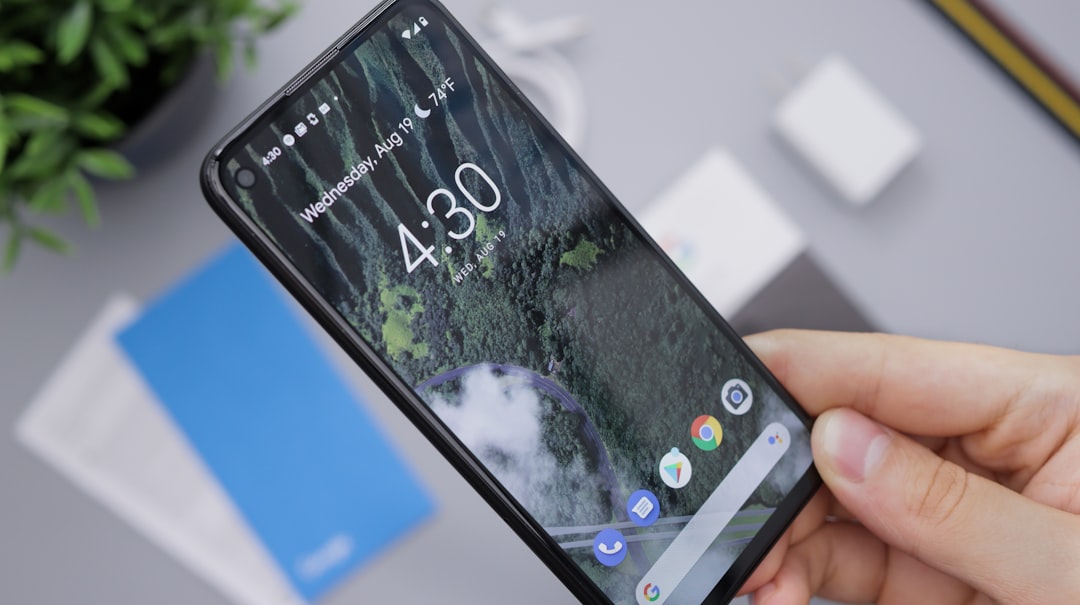
Recognizing spam calls is the first line of defense in protecting yourself from unwanted communications in Alabama. While some calls may be legitimate, others are designed to manipulate or deceive recipients. To identify a spam call, listen for repeated calls from unknown numbers, as these can be automated systems attempting to reach a large number of people. Additionally, be wary of calls claiming to be from official sources, such as banks or government agencies, asking for personal information over the phone—legitimate organizations rarely initiate such requests in this manner.
Spam callers often use tactics like threatening language, urgent demands, or promises of unrealistic rewards to trick you into acting quickly without thinking. They may claim that failure to respond will result in penalties, fines, or missed opportunities. For example, a call claiming to be from your internet service provider demanding immediate payment for an outstanding bill, but refusing to provide details over the phone, is a red flag. Legitimate companies typically offer multiple ways to verify and discuss accounts, including online portals and scheduled callbacks.
To stop spam calls Alabama residents can take proactive measures. First, register with the National Do Not Call Registry. This federal list restricts telemarketers from calling numbers listed on it. However, be aware that some spam callers bypass these restrictions. Next, utilize call-blocking apps or features on your phone to filter out known spam numbers. Regularly review call logs and block additional numbers as needed. Finally, never share personal information over the phone unless you initiate the call and are certain of the recipient’s identity. This common sense approach can significantly reduce the number of spam calls you receive.
How to File a Complaint: Stopping the Call Flood
In Alabama, the fight against spam calls has a legal framework designed to protect residents from relentless marketing phone calls. When these measures fail, consumers can take proactive steps to stop the deluge of unwanted calls. Filing a complaint with the appropriate authorities is a crucial step in How to Stop Spam Calls Alabama effectively. The Alabama Attorney General’s Office plays a pivotal role in combating telemarketing fraud and abuse. Consumers are encouraged to report spam calls by visiting the Attorney General’s website or calling their dedicated hotline. This process is designed to gather data, investigate violations, and take legal action against perpetrators.
When filing a complaint, it’s essential to provide as much detail as possible. This includes the date and time of the calls, the phone number from which they originated, and any specific messages or offers made during the call. Additionally, documenting how many times you’ve received such calls can bolster your case. According to recent consumer reports, over 40% of Alabama residents experience daily spam calls, highlighting the need for individual action and collective reporting. By submitting these complaints, consumers not only help protect themselves but also contribute to a broader effort to make Alabama a less spam-friendly environment.
Actionable advice for How to Stop Spam Calls Alabama includes registering your number on the National Do Not Call Registry and using third-party blocking apps that can identify and block known spam numbers. While these measures offer some protection, filing a complaint remains a powerful tool against persistent spam callers. By engaging with authorities and providing concrete evidence, consumers can help hold telemarketers accountable and potentially lead to stricter regulations limiting the volume of unwanted calls they receive.
Effective Strategies: Protecting Yourself from Spam Calls in AL

In Alabama, as across the nation, spam calls remain a persistent nuisance, with scammers leveraging sophisticated techniques to invade personal spaces. However, residents have powerful tools at their disposal to protect themselves from these unwanted intrusions. Understanding how to stop spam calls in Alabama involves a combination of proactive measures and strategic defenses.
One effective strategy is to register on the state’s Do Not Call list. The Alabama Attorney General’s office oversees this registry, which allows individuals to opt-out of receiving telemarketing calls. By listing your number, you signal to businesses that you do not consent to their marketing efforts, significantly reducing spam call volume. Additionally, leveraging advanced call blocking apps and software designed to identify and block unwanted numbers can provide a robust first line of defense. These tools learn from global databases to recognize and filter out known spammer numbers.
Beyond technical solutions, educating yourself about common scamming tactics is paramount. Scammers often masquerade as legitimate organizations or use urgent language to trick recipients. Staying informed enables you to spot red flags and avoid engaging with potential threats. For instance, be wary of unexpected calls claiming to be from your bank, demanding immediate action, or offering seemingly too-good-to-be-true deals. Sharing awareness through community channels further strengthens defenses, as collective knowledge can help identify emerging scams targeting Alabama residents.